
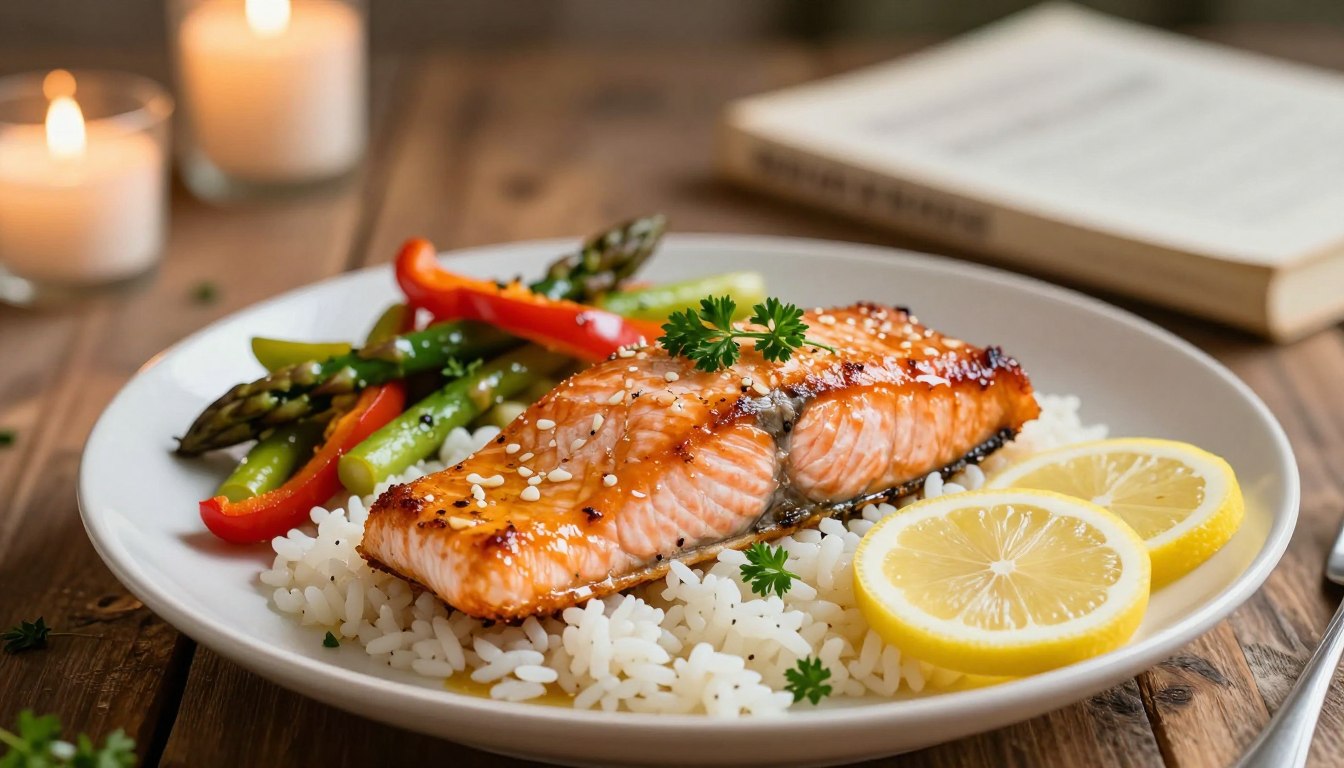
Salmon Recipes: 25 Easy Dinner Ideas for Every Occasion
For dinner, choose a sheet-pan meal, glazed fillet, or bowl; salmon recipes suit busy nights and special occasions. The ideas range from quick fillets and sheet-pan dinners to bowls, pasta, and special-occasion mains. En papillote means cooking fish sealed in a parchment packet so it steams as it bakes. Simple sides can round out any meal, while a bowl or salad can make dinner complete in one dish. You can keep a weeknight meal relaxed or choose a more polished centerpiece when guests come over. Each option offers a different way to enjoy salmon without turning dinner into a complicated project. Pick the recipe that fits your available time and the kind of dinner you want tonight.
Key Takeaways
- Choose a quick fillet or a sheet-pan dinner for a busy weeknight.
- Use a bowl, pasta, or salad for a complete meal in one dish.
- Match the salmon’s flavor and texture to the dinner you have planned.
- Simple sides can complement both relaxed meals and special occasions.
- Save one appealing recipe and shop for its ingredients ahead of dinner.
How Do You Choose and Store Salmon?
Choose a salmon variety by its flavor and texture first, then compare wild and farmed options if nutrition is part of your decision. King, sockeye, coho, and pink salmon each bring a different feel to cooking. Wild or farmed is another choice, but the nutrition numbers alone do not make one option right for every shopper.
Wild sockeye is leaner, while farmed Atlantic salmon has more total fat and EPA and DHA omega-3s per serving. A 2004 study in Science found organochlorine contaminants significantly higher in farmed salmon than in wild salmon. The FDA average mercury level for fresh and frozen salmon is 0.022 parts per million, with no wild-versus-farmed breakdown.
Match the salmon variety to the flavor and texture you want
King salmon has a rich, buttery flavor and a soft, silky texture. Sockeye tastes bold and savory, with a firm texture that holds its shape during cooking. Coho offers a mild, balanced taste and tender texture. Pink salmon is mild and delicate, with a softer bite that suits gentle preparations.
These differences can help you choose the best salmon for the recipe and the ingredients you already have. A firm fish is easier to turn in a pan, while a softer fillet benefits from careful handling. Flavor also matters: a bold fish can stand up to strong seasoning, while a delicate one suits restrained additions.
Compare wild and farmed salmon
The values below compare a 3-ounce cooked serving of wild sockeye with farmed Atlantic salmon. A 2004 Science study reported a contaminant difference, while the FDA mercury average applies to fresh and frozen salmon without separating farming practices.
| Nutrient per 3 oz cooked serving | Wild sockeye | Farmed Atlantic salmon |
|---|---|---|
| Calories | 133 | 175 |
| Protein | 22.5 g | 18.8 g |
| Total fat | 4.7 g | 10.5 g |
| EPA and DHA omega-3s | About 730 mg | About 1,800 mg |
| Vitamin D | About 570 IU | About 450 IU |
Wild sockeye has an approximate omega-3-to-omega-6 ratio of 4:1; farmed Atlantic salmon is about 2.5:1. That ratio, the nutrient values, and the reported contaminant finding do not settle every shopper’s choice. Your budget, preferred texture, recipe, and personal priorities all matter when choosing fish for dinner.
Nutrition is only one part of selecting ingredients. You might prefer a firmer texture for a recipe that calls for turning the fillet, or a milder taste for a lightly seasoned meal. The best salmon for your dinner is the one that fits those preferences and the cooking you have in mind.
Keep fresh and frozen salmon safely
Seafood should not sit at room temperature for more than 2 hours.
Raw fish keeps in a refrigerator at 40°F or below for 1-2 days before cooking or freezing. Thawed raw fish and cooked leftovers have different refrigerator windows: cooked seafood keeps refrigerated for 3-4 days. Freeze cooked fish at 0°F or below for up to 3 months for best quality; frozen raw fish is best used within 3-8 months for quality.
Refrigerate raw fish promptly and plan to cook or freeze it within 1-2 days.
Which Salmon Recipes Fit Your Dinner Plans?
For a fast dinner, pan-searing takes under 10 minutes, while air-frying and baking offer hands-off options with clear temperature and time ranges. Thickness changes timing, so treat any minute count as a starting point. A thermometer gives you a more reliable doneness check than the clock alone.
Cook salmon to 145°F, checking the thickest part of the fillet with a food thermometer. A 1-inch-thick fillet takes about 8-9 minutes in a 400°F air fryer. Oven salmon recipes commonly take 10-20 minutes, though thicker pieces need longer.
Choose a quick cooking method
Baking salmon at 400°F takes about 14-16 minutes with a little white wine or water. Pan-searing can be ready in under 10 minutes, making it a useful salmon recipe when your evening is tight. The quick methods take less than 20 minutes and use fewer than five ingredients.
En papillote seals fish in a parchment packet, where it steams as it bakes. The packet keeps the fish moist and contains its cooking juices. Broiling puts the fillet close to the heat, so the surface can brown quickly while the center cooks.
| Method | Temperature | Time |
|---|---|---|
| Air frying | 400°F | 6-11 minutes |
| Baking | 400°F | 14-16 minutes |
| Pan-searing | Medium-high heat | Under 10 minutes |
For cooking salmon, choose a method that suits how much attention you can give dinner. Baking and air-frying leave your hands free while the fish cooks. Pan-searing asks for closer attention, but it is a quick way to brown the surface before serving.
Use doneness cues, not the clock alone
The listed times are starting points, not a reason to skip checking the fish. Fillet thickness, starting temperature, and appliance differences affect how quickly salmon cooks. A thinner piece may finish sooner, while a thick center needs more time.
- Air Fryer Salmon: A crisp-edged option for a quick, hands-off meal.
- Pan-Seared Salmon: A fast stovetop choice with a browned surface.
- Baked Lemon Garlic Salmon: Lemon and garlic add bright, familiar flavor.
- Salmon en Papillote: A parchment packet steams the fish with its seasonings.
- Broiled Salmon: Direct top heat gives the surface a lightly browned finish.
A baked salmon recipe also works well when you want to cook several fillets without tending a skillet. Add lemon or another simple seasoning, then check each piece individually. The thinner edges can finish before the center, so place the thermometer in the thickest part.
Check the thickest part of the fillet with a thermometer and cook salmon to 145°F.
Which Glazed Salmon Recipes Add Big Flavor?
A sweet-savory glaze is an easy way to give salmon a strong flavor without building a complicated dinner. Choose honey, citrus, miso, or chile to set the direction, then keep the rest of the plate simple. A little contrast helps the sauce feel balanced instead of overly rich.
Sweet glazes can brown quickly, so watch them closely near the end of cooking. A tangy or spicy topping gives you another route when you want bold flavor without a long list of ingredients.
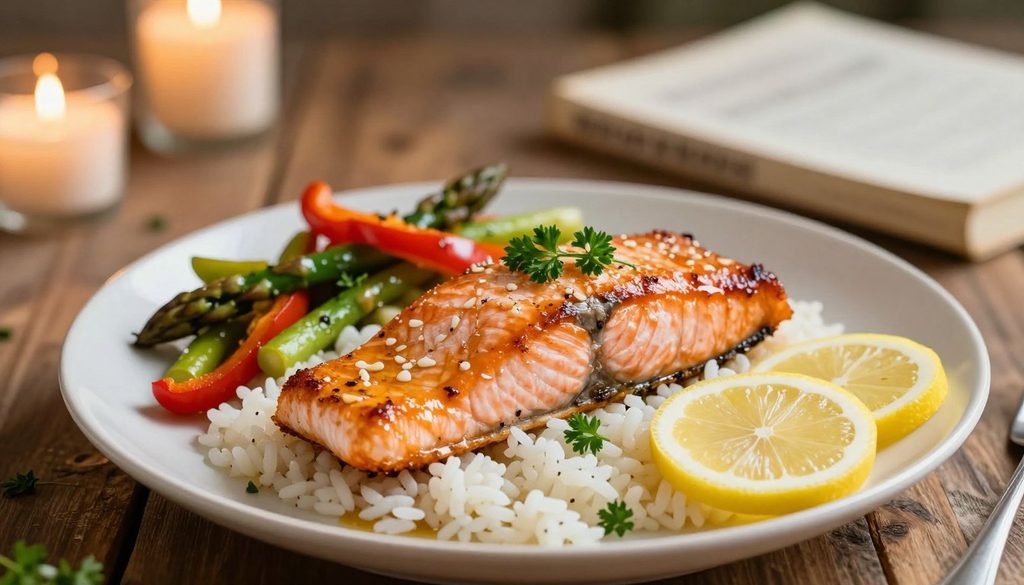
- Honey Lemon Garlic Salmon: A honey, lemon, garlic, and butter marinade makes this recipe citrusy, sweet, and savory.
- Firecracker Salmon with Peach Avocado Salsa: The spicy salmon gets a fresh, cool contrast from peach and avocado; bake or grill it.
- Spicy Maple Glazed Salmon for Two: Maple sweetness meets chile heat in a 20-minute dinner for two.
- Pomegranate Molasses Glazed Salmon: Tart fruit notes give the glazed salmon a sweet-sour edge.
- Miso-Glazed Salmon: Miso brings a deep, savory taste that works with a restrained side.
These recipes give you different ways to season salmon without changing the whole dinner plan. A citrusy sauce can brighten a rich fish, while spicy notes keep a sweet glaze from tasting flat. The salmon stays at the center, with the glaze or marinade doing most of the flavor work.
Honey and maple can darken faster than a savory coating, especially at the edges. A spoonful of plain rice or a simple vegetable makes a useful counterpoint to a strong sauce. Keep the side dishes simple when the glaze or sauce is the main flavor.
What Are the Best Sheet-Pan Salmon Dinners?
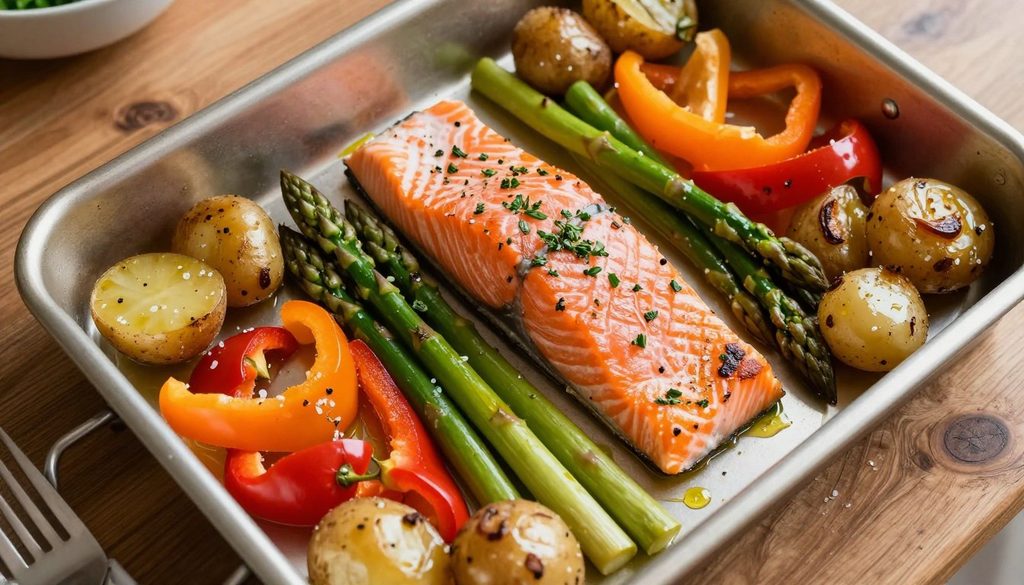
A sheet-pan salmon dinner is a good fit when you want the main dish and vegetables to cook together with little cleanup. Pick a recipe with a hearty starch when you want a filling meal, or choose extra vegetables for a lighter plate. One pan also makes serving straightforward.
Match vegetable pieces in size so they cook at a similar pace. The fish and vegetables can share seasoning, while a sauce or garnish adds a final layer. Recipes with potatoes, chickpeas, or feta give the pan more substance than vegetables alone.
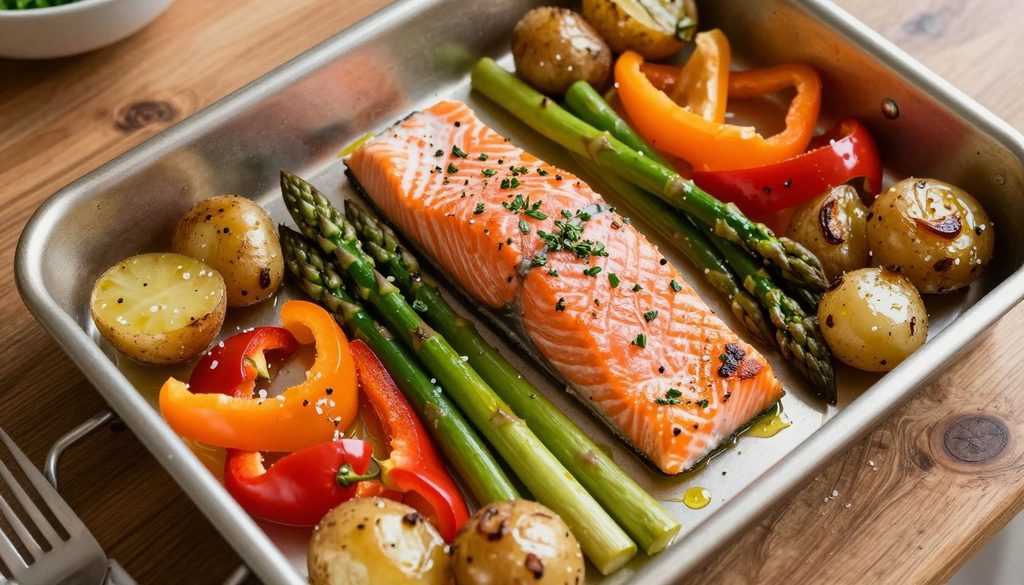
- Sheet Pan Salmon with Potatoes and Chickpeas: This hearty combination takes 10 minutes to prep and pairs fish with potatoes and protein-rich chickpeas.
- Sheet Pan Honey Glazed Salmon with Asparagus: Honey and asparagus make a simple baked salmon dinner that takes less than 25 minutes.
- Easy Baked Salmon with Vegetables and Feta: Mushrooms, cherry tomatoes, bell pepper, and feta give the pan a colorful mix.
- Oven Baked Salmon in Foil: A foil packet keeps the fish and its seasonings together for easy serving.
- Blackened Salmon Sheet Pan with Asparagus and Ginger Cilantro Sauce: Bold seasoning and a bright sauce add contrast to asparagus.
Sheet-pan recipes help you pair salmon with vegetables or a filling side without managing several pots. Potatoes and chickpeas make a more substantial dinner, while tomato and pepper bring juicy texture. For quick cleanup, line the pan with parchment or foil when the recipe allows.
Vegetables may need a head start if they cook more slowly than the fish. Cut slower-cooking vegetables into smaller pieces or give them a head start on the pan.
How Can You Turn Salmon Into Bowls, Tacos, and Salads?
Choose a salmon bowl, taco, or salad when you want the fish and its toppings to make a complete meal. Rice or quinoa can make a bowl more filling, while crisp greens and fresh toppings bring contrast. Mixing textures keeps a composed dish lively from the first bite.
Build each bowl around a grain or greens, then add toppings with different textures. A savory fish, crunchy vegetable, and creamy sauce give each forkful more variety than repeating the same soft textures.
- Chipotle Lime Salmon Tacos with Corn Avocado Peach Salsa and Cilantro Yogurt Sauce: Corn, peach, avocado, and cilantro yogurt balance smoky, bright fish.
- Blackened Salmon Tacos: Spiced salmon brings a bold, savory center to a taco with fresh toppings.
- Teriyaki Salmon Donburi Bowl: This 30-minute meal pairs glazed salmon with rice, avocado, and fresh vegetables.
- Salmon Caesar Salad Grain Bowls: Crisp greens and grains turn a salad favorite into a more filling dinner.
- Mediterranean Salmon Bowls: Quinoa sits with chickpea salad, greens, feta, olives, and tzatziki.
A rice bowl makes a practical weeknight dinner because you can build it from cooked grains and ready-to-serve toppings. Quinoa gives the Mediterranean version a nutty base, while greens add a fresh crunch. Tacos offer another easy format when everyone wants to assemble their own plate.
When prepping bowls ahead, cook the grains and sturdy vegetables first. Add avocado close to serving time so it stays fresh-looking, and pack dressings in a separate small container. Keep wet toppings and sauces separate until serving if you are prepping bowls ahead.
Which Salmon Recipes Work for Special Dinners and Comfort Meals?
For guests, a pistachio-crusted or stuffed fillet feels special, while creamy salmon pasta and chowder suit a cozy dinner at home. A crisp topping adds texture and makes a familiar fish feel more dressed up. These choices turn an easy salmon dinner into something that feels planned.
A crunchy topping or savory filling makes a memorable centerpiece without requiring several separate dishes. A crisp salad or roasted potatoes can accompany the fillet and let its flavors stand out.
Serve an impressive salmon centerpiece
A crunchy crust or a filled fillet gives you a centerpiece with more texture than a plain piece of fish. Pistachios bring a nutty crunch, while spinach, capers, preserved lemon, and Greek yogurt create a savory filling. Both approaches look at home on a dinner-party table.
Choose a filled fillet when you want one centerpiece that looks carefully prepared without adding several separate dishes.
Serve a fresh salad or roasted potatoes alongside, and let the main dish hold the strongest flavors. The pistachio topping brings crunch, while preserved lemon adds a sharper note to the stuffed version. These preparations also suit a dinner where you want to plate each portion with care.
- Pistachio-Crusted Salmon: A crunchy pistachio topping gives each bite a crisp, nutty finish.
- Stuffed Salmon with Spinach, Capers, and Greek Yogurt: Spinach, capers, preserved lemon, and Greek yogurt make a tangy, savory filling.
Choose a cozy pasta or soup dinner
Creamy pasta and soup are the coziest choices here, with different textures and levels of richness. Salmon Alfredo Pasta is a restaurant-style pasta dinner with a creamy sauce. Salmon Chowder pairs fresh salmon with bacon and potatoes for a hearty bowl.
- Salmon Alfredo Pasta: A rich, creamy pasta meal brings salmon into a familiar comfort-food format.
- Easy One-Skillet Creamy Tuscan Salmon: Spinach, artichokes, sun-dried tomatoes, garlic, and basil fill out this creamy skillet dinner.
- Salmon Chowder: Fresh salmon, bacon, and potatoes make a substantial soup for a relaxed night at home.
A bright vegetable side can balance a rich sauce, especially when the main dish includes cream or cheese. A crisp green salad, steamed vegetables, or another fresh side adds a clean finish. Grilled salmon and roasted salmon can also feel special when you give them a well-chosen accompaniment.
Choose a fresh, crisp side when the salmon dish itself is rich or creamy.
Conclusion
The easiest salmon dinner is the one that fits your schedule and gives you a flavor you are excited to eat. A weeknight meal may call for a quick preparation, while a slower evening leaves room for a richer dish. Your favorite dinner ideas should also work with the sides you enjoy and the ingredients you can get.
Save one promising recipe before your next grocery trip, then check your pantry for basics such as oil, grains, or seasonings. That small step makes dinner easier to start and helps you avoid buying items you already have. Choose one recipe, check that you have its ingredients, and add it to your next dinner plan.
FAQ
How much salmon should I plan per person?
Plan on a typical 4-6 ounces of uncooked salmon per adult. Choose the lower end when you are serving filling sides, and the higher end for larger appetites or a meal centered on the fish. Children and guests who eat lightly may need less. If you are buying whole fillets, allow for trimming or uneven portions when dividing them.
Can I cook salmon straight from frozen?
Yes, you can cook salmon from frozen, but it will take longer than thawed fish. Keep the cooking method steady and check the center rather than relying only on the recipe’s time. A food thermometer should read 145°F at the thickest part of the fillet. Separate any pieces that have frozen together so heat can reach each one evenly.
Do I need to remove the skin before cooking salmon?
No, you do not need to remove salmon skin before cooking. Placing the fillet skin-side down can help shield the flesh from direct heat and make the piece easier to handle. The skin may crisp as it cooks, but you can leave it on the plate. If you prefer not to eat it, slide a spatula between the skin and flesh after cooking.
What sauces pair well with salmon?
Lemon and herbs, honey mustard, ginger-soy, and creamy yogurt sauce all pair well with salmon. Choose a bright citrus sauce when you want freshness, or honey mustard for a sweet-tangy finish. Ginger-soy brings salty, savory notes, while yogurt sauce adds a cool, creamy contrast. Match the sauce’s strength to the seasoning already on the fish.
Can I use canned salmon instead of fresh salmon for dinner?
Yes, canned salmon works well for patties, burgers, and salad-style meals. It is already cooked and flakes easily, so mix it with binders and seasonings for a quick stovetop dinner. Canned fish is not a direct substitute for a whole baked or grilled fillet because its texture and preparation differ. Drain it as needed before mixing.
Can I prep salmon bowls ahead of time?
Yes, salmon bowls are easy to prep ahead when you store components separately. Cook grains and sturdy vegetables in advance, then refrigerate them in sealed containers. Keep sauces separate so they do not soften the other ingredients. Add delicate toppings such as avocado near serving time, when their color and texture are freshest.