
Steak Recipes: 25 Easy Dinner Ideas for Any Night
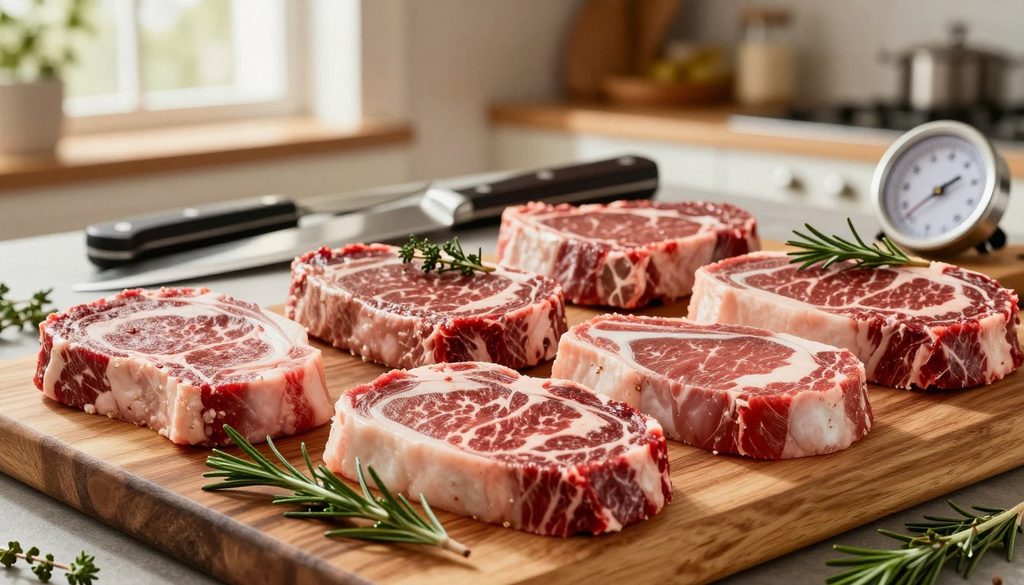
These 25 dinner ideas range from quick skillet meals and hearty salads to grilled favorites and special-occasion mains. You can choose from recipes suited to different cuts, schedules, and cooking methods, whether you want a fresh bowl or a centerpiece meal. Marbling means flecks of fat within the muscle that contribute to a steak’s richness. Choose an idea that fits the time and equipment you have tonight.
Key Takeaways
- Match your steak cut to the cooking method and texture you want.
- Skillet, grill, salad, pasta, and handheld dinners offer different ways to serve beef.
- Use an instant-read thermometer to check doneness instead of relying on color.
- Slice steaks against the grain when the cut has visible muscle-fiber lines.
- Pair a rich main with fresh vegetables for a more balanced plate.
- Plan ahead by refrigerating near-term portions and freezing later meals.
Which Steak Cut Fits Your Dinner?
For a rich, intensely beefy bite, choose ribeye; for a leaner steak, consider New York strip, and for exceptional tenderness, filet mignon. Your best choice depends on the flavor and texture you want, plus whether you will serve the steak whole or sliced. Ribeye brings more richness, while filet mignon is especially tender and mild.
USDA grades describe beef quality, not the steak cut. The grades consider marbling, carcass maturity, firmness, and texture. USDA Prime has more marbling than USDA Choice, and USDA Choice has more than USDA Select. A higher grade can guide your expectations, but it is only one way to choose a steak.
Rich, marbled cuts for a juicy sear
Ribeye is richly marbled and has intense beef flavor, making it a strong pick when you want a juicy sear and a full, savory taste. New York strip is leaner than ribeye and moderately tender. It offers a satisfying balance for a classic steak plate without the same degree of richness.
Filet mignon is prized for tenderness and a buttery texture, with a mild flavor. It suits a dinner where a tender bite matters more than a bold beef taste. A sauce or seasoning can add character without overwhelming the cut.
Leaner cuts and steaks to slice across the grain
Flank, skirt, and hanger steaks are flavorful options that are often served in slices. Their muscle fibers run visibly across the meat, so the direction of your cut affects how tender each bite feels.
For flank, skirt, or hanger, plan to cut across the grain before serving.
Choose a cut based on the meal you want, not just its grade. A moderately tender strip may suit a simple plate, while a deeply marbled ribeye fits a richer dinner. For flank, skirt, or hanger, plan to cut across the grain before serving.
Which steak recipes make the easiest skillet dinners?
A hot skillet and a short ingredient list make these four dinners easy to tailor to the steak you have. Pick a familiar seasoning or a quick sauce, then keep the rest of the plate simple. Garlic butter belongs near the end of cooking so it flavors the steak without scorching.
- Pan-Seared Steak with Garlic Butter: Use New York strip, ribeye, or top sirloin for a savory, buttery finish. Spoon garlic butter over the steak near the end of cooking. A green vegetable makes an easy side.
- Sirloin au Poivre: Crushed pepper gives sirloin a bold, aromatic crust. Serve it with a simple pan sauce, or keep the seasoning forward and add a mild vegetable alongside.
- Steak Bites: Cut steak into bite-size pieces before cooking for a dinner that is easy to portion. Season them with salt, pepper, and herbs, then serve with roasted vegetables or a crisp salad.
- Sirloin Steak with Pesto Butter: A spoonful of pesto butter adds herbs, garlic, and richness to sirloin. Let it melt over the cooked steak, then add a simple side such as steamed green beans.
These recipes are flexible when the cut or ingredients on hand change. Top sirloin works across several preparations, while a more marbled steak brings extra richness. Keep sauces and toppings ready before cooking, so you can finish the plate while the steak is hot.
For Steak Bites, even pieces help them cook at a similar pace. For a whole steak, a dry surface helps it brown rather than steam. A small amount of butter added late gives the pan time to develop color before the dairy hits the heat.
Pat the steak dry before it hits the pan for a better-browned surface.
Which steak salads and bowls make a full dinner?
A substantial topping and a sharp or creamy dressing turn a salad into a satisfying steak dinner. Greens or vegetables give the plate freshness, while steak, cheese, beans, or croutons make it more filling. Add warm steak just before serving because its heat can soften greens.
- Steak Caesar Salad: Crisp greens and Caesar dressing provide a savory base. Ciabatta croutons add crunch and make the salad feel more substantial alongside sliced steak.
- Steak and Blue Cheese Salad: Pair tender steak with leafy greens and bold blue cheese. A tangy dressing cuts through the cheese’s richness, while vegetables add freshness.
- Steak taco salad: For two, combine sirloin with avocado, black beans, and pepper jack. Salsa verde dressing adds acidity and a lively chile note to the vegetables.
- Steak bite bowls: Pair steak bites with three kinds of vegetables, then add lemon sour cream sauce. The vegetables bring color and texture, while the sauce ties the bowl together.
Think about contrast as you build a bowl: crisp greens work well with creamy avocado, and a tangy dressing can balance rich cheese. Beans and croutons also add substance, so the meal does not rely on steak alone.
Keep the greens dry until you assemble the salad, and add the dressing in a measured amount. If the steak is freshly cooked, give the leaves a few moments before combining them. That helps keep the base crisp without letting the meat cool completely.
Keep dressing separate until serving if you want the greens to stay crisp.
What can you make with steak in tacos and sandwiches?
Tacos, quesadillas, and sandwiches make steak easy to serve with contrasting toppings in every bite. Cooked steak can anchor each meal, while cheese, pickled vegetables, or onions bring richness, crunch, and acidity. Thin slices are easier to bite through in a tortilla or sandwich than a thick piece.
- Acapulco Steak Quesadillas: Layer cooked steak with cheddar-jack cheese and red onion inside tortillas. Toast until the cheese melts, then serve with a crisp salsa or another bright topping.
- Barbacoa Steak Tacos: Fill warm tortillas with sliced steak, queso fresco, and pickled vegetables. The cheese adds a creamy, salty note; the pickles bring a sharp crunch.
- Tex-Mex Steak Sandwich: Tuck steak into bread with caramelized onion for sweetness and savory depth. Oven fries make a familiar side and turn the sandwich into a full meal.
These meals are a practical way to use cooked beef with ingredients that add different textures. A tortilla holds a compact filling, while bread can support a larger serving. In a quesadilla, cheese helps bind the steak and onion into each wedge.
Keep the toppings balanced rather than piling on every flavor. Pickled vegetables or salsa can brighten a rich cheese filling, while caramelized onions suit the savory taste of a sandwich. Slice the steak against its grain so each mouthful feels easier to chew.
Warm tortillas just before filling them, and build sandwiches shortly before serving. Those small steps help keep the bread or tortilla from becoming soggy under the meat and toppings.
Slice the steak thinly across the grain before filling a tortilla or sandwich.
Which steak pasta and noodle recipes work on busy nights?
Pasta and noodles stretch steak into a satisfying dinner with greens, vegetables, or a bold sauce. Choose a dish that uses the starch as its base, then add the meat in a way that keeps its texture pleasant. Steak can toughen if it cooks too long in a hot sauce.
- Steak pasta with spinach: Combine steak and pasta with spinach, Dijon mustard, and balsamic dressing. The mustard and vinegar lend a tangy, savory edge, while spinach gives the dish a fresh note.
- Blue cheese steak pasta: Use sirloin and penne for a hearty pasta with a sharp, creamy flavor. Blue cheese brings intensity, so add it gradually and toss the cooked pasta until the sauce coats it.
- Beef noodle bowls: Pair beef with noodles, vegetables, and a savory sauce. Keep the vegetables distinct in texture, and combine the components close to serving so the noodles do not soak up all the sauce.
For pasta, cook the noodles while you prepare the other components, then bring them together when each is ready. Spinach can wilt into warm pasta, while a dressing can coat the noodles without needing a long simmer.
For beef noodle bowls, cut the vegetables to a similar size so they are easier to eat with noodles. Keep the sauce savory rather than overly thick, and toss it through the bowl just before serving. Sirloin gives the blue cheese pasta a beefy base that stands up to the strong cheese.
If you are warming a prepared dish, let the sauce heat first and add cooked steak near the end. This keeps the meat from sitting in bubbling liquid and becoming chewy.
Add already-cooked steak near the end of reheating so it warms without prolonged cooking.
Which steak recipes work best on the grill?
Chimichurri, coffee, and beer-based marinades offer three different ways to build flavor on grilled steak. A fresh sauce brings herbs and acidity, while a rub or marinade seasons the meat before it reaches the grill. A sugary marinade can darken quickly over direct heat.
- Grilled flank steak with chimichurri: Let the fresh herb sauce provide brightness and a little tang against savory beef. Serve it alongside sliced flank steak so the sauce can reach each piece.
- Coffee-Rubbed Steak: A dry rub adds roasted, earthy notes and a darker crust. Use a light coating so the coffee flavor supports the steak instead of covering its beefy taste.
- Beer-Marinated Grilled Skirt Steak: A beer-based marinade gives skirt steak a savory, rounded flavor. Drain excess marinade before grilling to reduce drips and flare-ups.
Each approach asks for a different finish. Chimichurri stays fresh and is best added at the table, while a rub forms a seasoned surface during cooking. A marinade works ahead of time, making it useful when you want the meat ready for the grill.
Keep the grill area clear and have a cooler spot available if the flames rise. Marinades with sugar can take on color before the center is ready, so watch the surface closely. A clean plate for cooked steak also keeps the serving area ready.
Use chimichurri as a finishing sauce rather than cooking it over the flame. Its fresh herbs and acidity stand out when they remain bright beside the grilled meat.
Keep a close eye on marinated steak over direct heat, especially when the marinade is sweet.
What one-pan steak recipes keep cleanup simple?
A one-pan approach can simplify cleanup, but the steak and vegetables still need enough room to brown. Choose a recipe with a clear sauce or seasoning, then cook components in an order that suits their different needs. Crowding a pan can make ingredients steam instead of brown.
- Sirloin Steak with Balsamic Sauce: Balsamic brings a tangy sweetness to sirloin. Pair it with fingerling potatoes and Brussels sprouts, cooking the vegetables until tender before making room for the steak.
- Beef and Broccoli: A savory sauce coats beef and broccoli, making this a practical dinner over rice. Prepare the rice separately while the beef and vegetables cook in the pan.
- Steak Marsala: Marsala sauce and cremini mushrooms give the dish a deep, savory flavor. Serve it with Parmesan mash, which adds a creamy base to the mushroom sauce.
These recipes keep the focus on a main pan, even when a starch needs a separate pot. Fingerling potatoes take longer to soften than steak, so they benefit from a head start. Rice can cook on its own while you prepare the beef and broccoli.
Use a pan wide enough for the ingredients to sit in a single layer. If the steak and vegetables need different heat or cooking times, move one component aside or cook it first. A crowded surface traps moisture and works against a browned finish.
Set out the sauce ingredients before cooking begins. That way, you can add them as soon as the pan is ready, rather than leaving steak unattended while you search for a bottle or seasoning.
Cook ingredients in batches when crowding would steam them instead of browning them.
Which cozy beef recipes turn steak into comfort food?
For a cozy dinner, choose between a chili-style bowl and a rich, braised beef dish. One-Pot Beef Chili con Carne Soup brings a hearty, seasoned broth, while Steak Bourguignon offers the slower feel of beef cooked with a deep sauce. Quick-searing cuts are not automatically suited to a long braise.
- One-Pot Beef Chili con Carne Soup: Build a savory bowl around beef, beans, and chile-seasoned broth. Elotes-style corn brings a creamy, sweet, and tangy contrast that makes the soup feel more substantial.
- Steak Bourguignon: A braised beef dinner has a deep, slow-cooked character. Serve it with sour cream mashed potatoes and roasted carrots to balance the rich sauce with a smooth starch and sweet vegetables.
The chili-style bowl is a good fit when you want warm, spoonable comfort with a lively topping. Steak Bourguignon feels more like a composed main, with tender beef and sauce over a hearty plate. They answer different cravings, even though both center on beef.
Think about the cut before choosing a long simmer. A steak prized for quick cooking may lose its appealing texture during extended braising. A braise works best when the cut and method suit the slower process.
Elotes-style corn adds a playful contrast to chili, while the potatoes and carrots make the braised dinner especially filling. Keep the side portions in step with the richness of the sauce so the beef remains the focus.
Match the cut to the cooking method instead of assuming every steak benefits from a long simmer.
Which steak recipes feel special enough for a celebration?
A creamy mushroom sauce makes filet mignon feel special, while Steak Wellington is the more hands-on centerpiece. A celebration meal can come from a tender steak with a composed sauce or from a more involved wrapped main. Steak Wellington requires more assembly than a simple seared steak.
- Filet Mignon with Creamy Mushroom Sauce: Pair tender filet with mushrooms and a creamy sauce. Parsley garlic potatoes and broccoli bring familiar flavors to the plate without competing with the main.
- Steak Wellington: Wrap steak in pastry for a centerpiece that takes more hands-on preparation. Roasted carrots and mushroom demi-glace give the finished meal a rich, polished feel.
- Filet Mignon with Balsamic Syrup and Goat Cheese: Balsamic syrup adds a sweet-tart accent, while goat cheese brings tang and creaminess. Keep the toppings measured so the steak’s mild flavor remains noticeable.
The filet options build a special meal through sauces and toppings. They are still straightforward steak dinners, with the sauce doing much of the celebratory work. Wellington asks for more preparation and careful assembly, so set aside more attention for that main.
Keep the rest of the menu manageable if the centerpiece takes effort. Parsley garlic potatoes and broccoli offer a familiar plate, while roasted carrots can be prepared alongside other oven tasks. A sauce or garnish can make a simpler steak feel thoughtfully served.
A small amount of balsamic syrup goes a long way beside goat cheese. Add it at the table if you want each person to control the sweet and tangy balance.
Choose the simpler filet dinner when the celebration matters more than an elaborate cooking project.
What cooking method fits your steak’s thickness?
Use a cast-iron skillet for a steak around 1 to 1½ inches thick, and consider reverse-searing one over 2 inches. The skillet gives the steak direct contact with a hot surface, while reverse-searing uses the oven before a final skillet sear. Use times as reference ranges, not a substitute for checking the center.
For cast iron, preheat the skillet over high heat for about 5 minutes. Remove the steak when it is 5°F below its desired final temperature, since carryover cooking raises it about 5°F while it rests. Rest cast-iron skillet steak for 5-10 minutes, lightly covered with foil.
Cast-iron timing for steaks from 1 to 1½ inches thick
Thickness affects how long a steak needs in the skillet, and individual pieces can still cook differently. The ranges below give you a starting point for cast-iron cooking. A thermometer offers a more reliable check than time alone.
| Steak thickness | Doneness | Cast-iron cooking time |
|---|---|---|
| 1 inch | Rare | 6-11 minutes |
| 1 inch | Medium-rare | 8-13 minutes |
| 1 inch | Medium | 9-14 minutes |
| 1 inch | Medium-well | 11-16 minutes |
| 1½ inches | Rare, medium-rare, medium, medium-well | 12-14, 14-16, 15-17, 17-19 minutes, respectively |
When to reverse-sear a thick steak
For steaks over 2 inches thick, consider reverse-searing with a skillet and oven. The oven warms the thick steak more evenly before the skillet creates a browned surface. This method gives the center time to approach the desired doneness without leaving the exterior in the pan for too long.
Use the cast-iron ranges as a reference, since steak thickness and pan conditions affect the result. The listed times apply to the thicknesses shown, not to every steak or cooking setup. Check the thickest part of the steak with an instant-read thermometer rather than relying on the clock alone.
How hot should the grill be for steak?
Aim for a grill temperature of 450°F or higher before adding steak. A hot cooking surface helps the exterior sear, giving grilled steak a browned surface before it is served. Wait until the grill is hot before the steak goes on.
Preheat the grill and clear a space for the meat. Keep another area available for moving the steak if flames flare or the surface browns too quickly. A steady cooking surface is especially useful for cuts that are thinner or coated with marinade.
Grilled flank steak with chimichurri is a good match for a hot grill and a fresh finishing sauce. Beer-Marinated Grilled Skirt Steak offers a different flavor, with the marinade seasoning the meat before it cooks. Both benefit from a surface that is ready before the steak arrives.
Watch for flare-ups when fat drips onto the flame. Heavy flames can scorch the outside before the center cooks, leaving the surface too dark. Shift the steak to a cooler area until the flare settles, then return it to direct heat if needed.
Keep tools and a clean serving plate within reach before grilling. That makes it easier to move the steak promptly when the surface browns or a flare-up starts. Wait for flare-ups to subside before placing the steak back over direct heat.
What temperature should steak reach for your preferred doneness?
Use an instant-read thermometer to check whether steak has reached the temperature range for your preferred doneness. Rare is 120-125°F, medium-rare is 130-135°F, and medium is 140-145°F. Measure the thickest part of the steak for the clearest reading.
Check the center rather than judging doneness by the outside. Steak color can be misleading, since appearance does not reliably show the temperature inside. A thermometer gives you a direct reading in the place that matters most.
| Doneness | Temperature range |
|---|---|
| Rare | 120-125°F |
| Medium-rare | 130-135°F |
| Medium | 140-145°F |
Insert the thermometer into the thickest part and read the display after it settles. Avoid measuring near the surface, where the heat is higher, or in a thin edge that may cook faster than the center.
For a steak with bone, keep the thermometer away from the bone because it can affect the reading. Large pockets of fat can also distort the measurement. Insert the thermometer into the center without touching bone or a large pocket of fat.
How long should steak rest, and how should you slice it?
Rest a thin cut for at least 5-7 minutes and a thick cut for 10-20 minutes before slicing. Resting gives the steak time to settle after cooking, while cutting across the grain shortens the muscle fibers for a more tender bite. Cooked meat should not sit out for 2 hours or longer.
Use the cut’s thickness as a practical guide. A general rule is about 5 minutes of rest per inch of meat thickness. The table gives you a quick comparison for thin and thick cuts.
| Cut or rule of thumb | Rest guidance |
|---|---|
| Thin cuts | At least 5-7 minutes |
| Thick cuts | 10-20 minutes |
| Per inch of thickness | About 5 minutes |
Look for the visible muscle-fiber lines before slicing. Cut across those lines rather than parallel to them, making shorter fibers that are easier to chew. Use a sharp knife and steady strokes to keep the slices neat.
Rest the steak on a plate that is not hot, since a warm plate can keep cooking the meat. Cooked meat left at 40-140°F is in the temperature danger zone. Refrigerate cooked steak before it has been out for 2 hours.
What sides make a steak dinner feel complete?
A simple side pairing can make the same steak feel like either a hearty supper or a lighter meal. Classic starches and vegetables create a familiar plate, while a vegetable-forward choice keeps the meal fresher. A rich sauce and a rich side can make the whole plate feel heavy.
Choose sides that complement the steak rather than competing with its seasoning. A creamy sauce may need a crisp vegetable, while a simply prepared steak can carry a richer potato side. The right balance can make the same main feel different from one dinner to another.
Classic sides for a hearty plate
Parsley garlic potatoes and broccoli make a familiar pairing with Filet Mignon with Creamy Mushroom Sauce. The potatoes give the meal a hearty base, while broccoli adds a fresh, slightly crisp contrast to the creamy sauce.
Green beans and roasted fingerling potatoes also suit Sirloin Steak with Blue Cheese Compound Butter. For Parisian Bistro Steak, dauphinoise potatoes and green beans create a more traditional, rich plate. In both combinations, green beans keep the meal from feeling like starch alone.
Fresh, lighter sides for a balanced meal
A lighter meal can focus on vegetables and a small number of rich additions. Steak and Blue Cheese Salad is a no-cook dinner option, with greens and cheese giving steak a fresh, savory setting. It works when you want a full meal without cooking separate side dishes.
Choose one substantial side and one vegetable when the main already has a rich sauce. Broccoli or green beans add color and freshness beside potatoes, and a salad can stand on its own when you want to skip a cooked starch.
Let the sauce guide your side choice. If the steak has a rich butter or cream sauce, balance the plate with a crisp vegetable.
How can you plan and store steak for easy dinners?
Plan which steak meals you will cook soon and freeze the portions meant for later. Raw steaks intended for the next few days can stay refrigerated at 40°F for 3-4 days from purchase. Freeze raw steaks for 6-12 months, and cooked beef for 2-3 months.
Use a freezer-safe bag or wrapping that limits air exposure, pressing excess air out before sealing. Vacuum sealing is optional, not required. Mark each portion with the date so you can tell which one to use first.
| Condition | Refrigerator guidance | Freezer guidance |
|---|---|---|
| Raw steak | 40°F for 3-4 days from purchase | 6-12 months |
| Cooked beef | 3-4 days | 2-3 months |
| Raw steak, freezer pack | Not applicable | Freezer-safe bag or wrapping |
| Cooked beef, freezer pack | Not applicable | Freezer-safe bag or wrapping |
Keep frozen portions labeled with the date so the oldest ones are easy to use first.
Organize portions by the meals you expect to make, rather than freezing one large bundle. Separate packages are easier to thaw and use without disturbing the rest. Pressing out extra air also helps limit exposure to the freezer environment.
Raw steaks for an upcoming dinner can remain in the refrigerator within the stated window. For later meals, freezing gives you more flexibility. Label frozen portions with the date so you can use the oldest ones first.
Conclusion
A satisfying steak dinner can be as simple as matching a cut to the time and cooking method you have. A skillet suits a manageable weeknight meal, while a grill or a more involved centerpiece can fit a slower evening. Let the way you plan to cook guide what you bring home.
Choose one idea and check that the needed cut, vegetables, and other ingredients are on hand. If a recipe needs more time than your evening allows, save it for another day and pick a simpler option now. Pick one idea for tonight and make a short list of the cut and sides you need.
FAQ
How much steak should I buy per person?
Plan on about 6-8 ounces of boneless steak per adult, adjusting for appetite and the sides you plan to serve. A larger portion may suit someone with a bigger appetite, while hearty potatoes, beans, or salad can make a smaller steak portion satisfying. For bone-in steak, account for the bone when estimating how much edible meat each serving provides.
Can I cook steak straight from the refrigerator?
Yes, you can cook steak cold from the refrigerator; allow for its thickness and use a thermometer instead of relying on room-temperature timing. A cold center may take longer to reach your preferred doneness, especially in a thick cut. Patting the outside dry before cooking helps the surface brown even when the steak starts chilled.
Should I salt steak before cooking?
Salt steak shortly before cooking, or salt it earlier and keep it refrigerated until you are ready. Both approaches can season the meat; the key is to dry the surface before searing. If the salt draws moisture to the outside, blot the steak with a paper towel so the surface can brown instead of steaming.
How do I know which way to slice steak against the grain?
Find the visible muscle-fiber lines and cut across them, not parallel to them. The lines may be easy to see on flank, skirt, or hanger steak, especially after cooking. Turn the steak so your knife crosses those lines, then make slices of a manageable thickness for serving.
Can I freeze steak in its store packaging?
You can freeze steak in store packaging, but freezer-safe wrapping or a bag that limits air exposure helps protect quality. Press excess air out of a freezer bag before sealing, and label the package with the date. Vacuum sealing is not required, though it is another way to reduce air around the steak.
What is the best way to reheat leftover steak?
Reheat leftover steak gently with a little moisture or sauce to limit drying, then check that it is heated safely before serving. A covered pan on low heat can warm slices without exposing them to prolonged high heat. Add the meat once the sauce is warm, and avoid letting the steak simmer in bubbling liquid.