
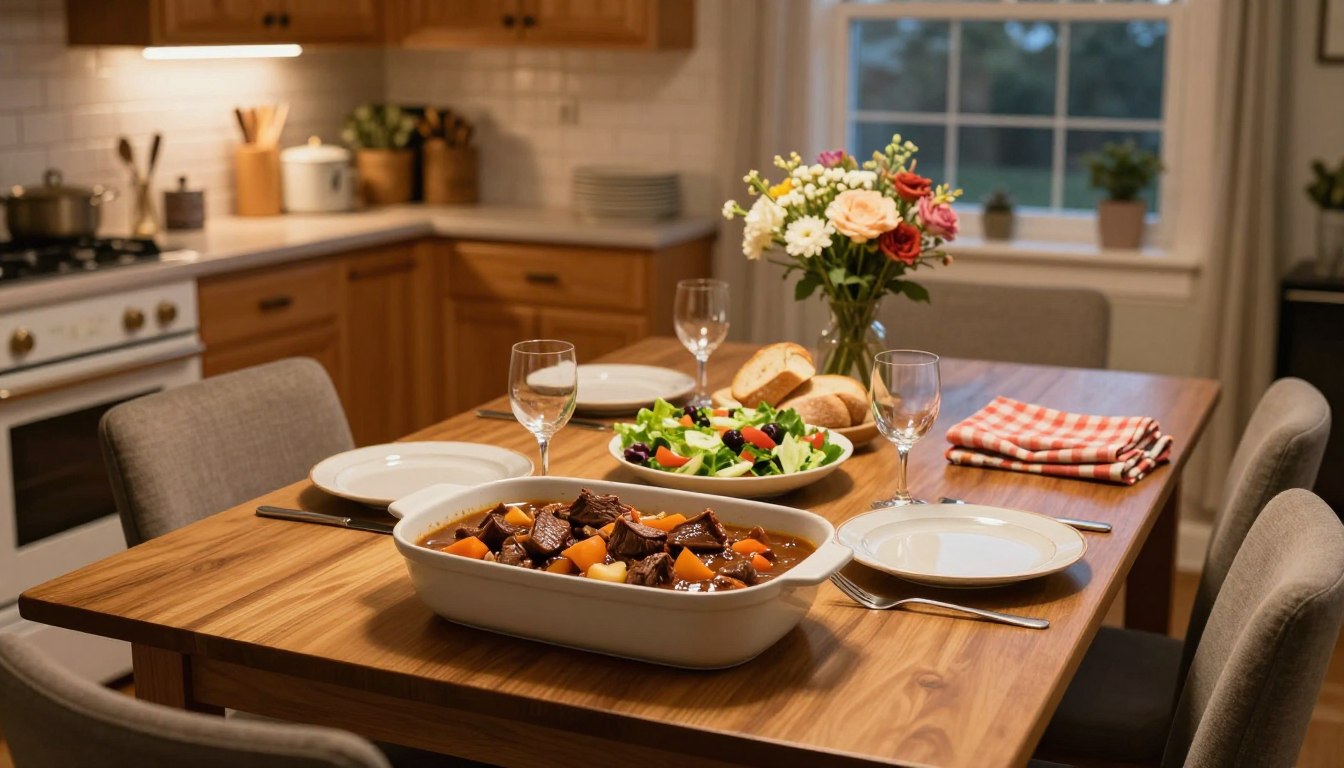
Beef Recipes: 30 Easy Dinner Ideas for Busy Weeknights
There are 30 easy beef dinner ideas here, from fast skillet meals and tacos to make-ahead casseroles and slow-cooker options. These beef recipes give you ways to make dinner when your family has little time, plenty of energy, or neither. Active cooking time means the hands-on minutes spent preparing and cooking, not unattended simmering or slow-cooker time. That distinction can make a long recipe fit a busy day. You can find a flavor and format that work for tonight, whether you want a quick meal or have time to plan ahead.
Key Takeaways
- Choose a dinner by the hands-on time you can spare.
- Ground beef works in tacos, pasta, soups, and stuffed vegetables.
- Steak dinners offer a whole-cut option for quick cooking.
- Casseroles and slow-cooker meals suit different schedules.
- Use a thermometer to check ground beef doneness.
- Portion beef before freezing to make meal prep easier.
When your schedule is tight, choose a meal with little hands-on work. When the evening is more open, a longer cook can be just as useful. Choose a dinner by the time you can spend actively cooking, not just by the recipe’s total cook time.
Which Beef Recipes Work Best for Fast Weeknight Dinners?
For a dinner with a stated time of 30 minutes or less, start with Ground Beef Stroganoff, Beef & Vegetable Fried Rice, or Beef Confetti Taco Salad. Each gives you a clear time target for a busy evening, with a different way to serve beef. Ground Beef Stroganoff is a one-dish meal, while the fried rice includes vegetables.
These choices give you options when you want a speedy dinner but not the same format every night. Only three ideas here have a stated time of 30 minutes or less. The rest of the meals in this collection may need more time, especially when they bake or cook slowly.
| Recipe | Format | Stated time |
|---|---|---|
| Ground Beef Stroganoff | One-dish meal | 30 minutes |
| Beef & Vegetable Fried Rice | Fried rice with vegetables | 25 minutes |
| Beef Confetti Taco Salad | Taco salad | 30 minutes |
Total time and hands-on time are different measures. Check whether the recipe’s clock includes simmering or baking before deciding how much hands-on time to set aside.
The total time can include periods when the food cooks without your attention. Active cooking time counts the minutes you spend preparing ingredients and working at the stove. That makes the recipe’s timing details useful when you need to fit cooking between other weeknight tasks.
Beef & Vegetable Fried Rice takes 25 minutes, so it has the shortest stated window among these three choices. The two 30-minute meals offer different formats, one creamy and one built around seasoned beef and greens. Think about what your household will enjoy and what ingredients you already have ready.
Use the stated time as a starting point, not a promise about every kitchen. The amount of chopping and whether you prepare ingredients ahead can change your hands-on work. Check whether the recipe’s clock includes simmering or baking before deciding how much hands-on time to set aside.
What Can You Make for Taco Night?
Beef Picadillo Tacos bring a change of pace, while Ground Beef Tacos leave room for everyone to choose their own toppings. These two distinct options make a taco dinner easy to adapt to your family’s preferred flavors. Pick a filled tortilla with a different style or keep the seasoned beef simple.
Beef Picadillo Tacos are a family-friendly variation when you want a change from your usual taco routine. Ground Beef Tacos are a straightforward choice for favorite toppings. Either dinner can use the toppings you already have on hand. That makes it easier to set out a meal that suits more than one appetite.
A taco dinner can shift with the extras you serve alongside the beef. A few familiar toppings can make the meal feel comfortable, while a different mix brings new flavor. Let diners build their own tortillas if they like choosing the amount of each topping.
The two recipes also help you vary the main filling without changing the way you serve dinner. Picadillo offers a more distinctive direction, while Ground Beef Tacos leave the flavors of toppings at the center. Both are useful choices when family members prefer different combinations.
Set out only the toppings that make sense for tonight, rather than making a large spread. A small choice of textures and flavors can still give everyone options. Set out toppings separately when diners prefer different levels of heat or different textures.
Which Burgers Work for a Family Dinner?
Burger night can stay classic or lean into a playful twist, depending on what your family likes to add at the table. Choose among a cheese-filled burger, a seasoned topping, or a thin patty with a browned crust. Each style changes the bite without making dinner feel unfamiliar.
Texas Juicy Lucy Burger, Ranch Burgers, and Smashburgers with Onion give you three clear directions. About 80/20 ground beef is a common choice for juicy burgers, while leaner beef can cook up less juicy. Consider that difference when picking the beef and the style you want to serve.
- Texas Juicy Lucy Burger gives you a cheese-filled variation.
- Ranch Burgers bring a seasoned topping to a familiar burger.
- Smashburgers with Onion feature a thin patty with a browned crust.
The Texas Juicy Lucy Burger suits you when a surprise inside the patty sounds fun. Ranch Burgers change the flavor with a seasoned topping, while Smashburgers with Onion make the browned surface part of the appeal. Choose the one that best fits how your family likes its burgers.
Ground beef fat affects how juicy a patty can be. Leaner beef may still work, but it can yield a drier burger. Think about the balance you want between a rich bite and a leaner patty, especially when you are cooking for kids with strong preferences.
Serve burgers with toppings on the side if diners like different combinations. Avoid handling the patties more than needed as you form them. Handle burger patties gently and avoid pressing them while they cook to help retain their juices.
What Pasta Dinners Use Ground Beef?
For a lasagna-style dinner without the usual project, try Lazy Beef Lasagna; for a familiar noodle plate, choose Spaghetti & Meatballs. One is a layered bake, and the other is a pasta dish served with meatballs. Both bring ground beef to a filling dinner with a familiar comfort-food feel.
Lazy Beef Lasagna is a shortcut-minded take on a classic, giving you the layered shape of lasagna in a more approachable recipe. Spaghetti & Meatballs keeps the meat separate from the noodles and sauce. Check the full schedule before starting pasta late, since oven time can make a meal take longer than its hands-on work suggests.
The choice comes down to the kind of dinner you want to place on the table. A layered bake gives you a sliceable main dish, while meatballs pair with noodles for a familiar plate. Both fit when you want pasta to anchor the meal rather than a quick skillet format.
Think about when you want to eat before turning on the oven or starting the sauce. A baked recipe needs its full schedule, while a saucy noodle dinner depends on having its components ready. If you are cooking late, check the recipe’s timing before committing to a dish that spends time in the oven.
Organizing the ingredients can help the separate parts of dinner come together. Set out the noodles, sauce components, and any other ingredients before cooking. Set out the pasta and sauce ingredients before cooking so the meal’s separate components are ready at the same time.
How Can Meatballs and Sandwiches Become Dinner?
Swedish Meatballs suit a sit-down dinner, while Beef Burritos and Classic Beef Sloppy Joe make the meal easy to carry to the table. These choices give ground beef different serving styles, from a fork-and-plate meal to a wrapped or sandwich-style dinner. Pick the format that feels right for your evening.
Swedish Meatballs work well with noodles or mashed potatoes when you want a plated meal. Beef Burritos wrap the filling for a dinner you can hold, and Classic Beef Sloppy Joe makes a saucy sandwich. The recipes keep familiar ground beef preparations in a rotation without making every meal look alike.
Meatballs with a sit-down side
Swedish Meatballs fit a dinner where everyone sits down with a plate and a side. Noodles or mashed potatoes make a natural base for the meatballs and their sauce. The meal feels more like a classic supper than a handheld dinner, which can suit a slower evening at home.
A fork-and-plate meal gives you room to serve a side alongside the meatballs. The format also makes it easy to portion each plate at the table. Choose it when you want dinner to feel like a full sit-down meal, not something to carry between rooms.
Handhelds for a casual meal
Beef Burritos and Classic Beef Sloppy Joe suit a casual dinner that you can carry to the table. Burritos wrap the meal in a tortilla, while a sloppy joe is served as a sandwich. They differ in shape, but both offer a more portable option than meatballs with a side.
A wrapped dinner can be convenient when people are eating at different times or prefer a less formal meal. A sandwich makes the sauce part of the filling, so keep the serving style in mind when setting out dinner. Match the serving style to how your household wants to eat tonight, rather than making every ground beef dinner a skillet meal.
Which Beef Casseroles Make Hearty Weeknight Meals?
A casserole is a good fit when you want a hearty dish that can be portioned straight from the baking dish. Cowboy Casserole, Beefy Taco Casserole, and Nacho Casserole bring three different flavors to that format. Each makes a filling dinner that can be served at the table from one dish.
The baking schedule, not just assembly, determines when dinner is ready. Casserole recipes vary in oven time, so account for baking when planning your evening. A dish that takes little time to assemble may still need a longer stay in the oven before you can serve it.
- Cowboy Casserole suits a substantial layered meal.
- Beefy Taco Casserole brings Tex-Mex flavors to the baking dish.
- Nacho Casserole makes a familiar snack-inspired dinner.
Cowboy Casserole is a choice when you want a substantial meal with layers. Beefy Taco Casserole brings a Tex-Mex direction, while Nacho Casserole turns a familiar snack idea into dinner. Choose based on which flavor profile sounds right for the people you are feeding.
Serving from one baking dish can make portioning straightforward. The recipes do not all share the same oven schedule, though, so leave enough time for the center to cook through. Thick layers can make the middle take longer than the edges to heat.
A casserole works well when you want the main dish to hold together as you serve it. Let the baking schedule guide your start time, not just the work needed to assemble the layers. Check the center for doneness before serving, especially when a casserole has thick layers.
How Can You Pair Beef With Vegetables?
Stuffed vegetables make the beef filling part of the dinner rather than a separate topping or side. Classic Beef Stuffed Peppers combine ground beef, tomatoes, and rice, while Greek-Style Beef Stuffed Portobello Mushrooms offer another vegetable-centered format. Both put the beef inside a vegetable that helps shape the meal.
The peppers use a concrete combination of ground beef, tomato, and rice for their filling. Portobello mushrooms give you a different vegetable to fill, with a different shape and size. Vegetable size affects both how much filling fits and how long the vegetables take to soften.
Classic Beef Stuffed Peppers suit you when you want a clear, upright vessel for the filling. Greek-Style Beef Stuffed Portobello Mushrooms make the vegetable itself the base of dinner. The contrast gives you a way to vary the dish without turning to another baked casserole.
The vegetable contributes more than color to the plate. Its size sets how much filling it can hold, and its firmness affects how long it needs to soften. Choose pieces that are close in size when you want them to finish cooking at a similar pace.
Keep the filling balanced with the room available inside each vegetable. Overfilling can make it harder to keep the filling in place while moving the dish. Choose peppers or mushrooms that sit steadily in the baking dish so the filling stays in place.
What Chili and Soup Dinners Can You Make With Beef?
Choose Texas-Style Chili for a bowl built around chili, or pick one of the soups when you want a broth-based dinner. Beef Enchilada Soup and Taco Soup bring soup-style options with different flavor directions. Each gives you a warming meal served by the bowl.
Texas-Style Chili makes chili the center of dinner, rather than a topping or a side. Beef Enchilada Soup offers a soup with enchilada flavors, while Taco Soup makes a simple taco-night variation. The choices suit an evening when you want a bowl instead of a casserole or handheld meal.
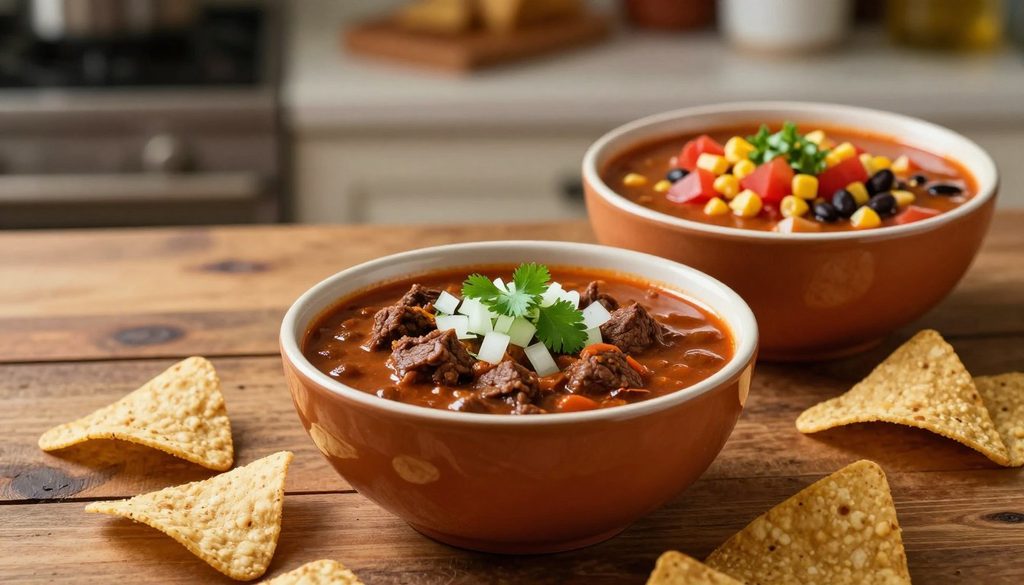
- Texas-Style Chili is a chili-centered meal.
- Beef Enchilada Soup brings enchilada flavors to soup.
- Taco Soup offers a simple taco-night variation.
The toppings can bring another layer of flavor to the meal. Set them out separately so each person can finish a bowl to taste. That approach works when some diners want more crunch or a stronger flavor than others.
Think about whether you want chili or a soup before choosing a recipe. Texas-Style Chili centers the meal on chili, while the two soup options take a broth-based route. The styles suit a change from a dinner served on a plate or from a baking dish.
Keep toppings out of the bowls until the food is ready to eat. That way, crunchy additions do not soften while the soup waits on the table. Keep crunchy toppings separate until serving so they retain their texture.
Which Noodle Dinners Make Ground Beef Feel Different?
Beef Lo Mein takes the stir-fry route, while Asian Beef and Noodles keeps the focus on a beef-and-noodle combination. These two noodle dinners offer a different direction from Italian-style pasta. They make noodles the main format while changing the flavors you bring to the table.
Beef Lo Mein is a stir-fried noodle option. Asian Beef and Noodles is a simple beef-and-noodle dinner, with the name putting both parts of the dish in focus. Noodles can absorb sauce while standing, so serve promptly if a saucy texture matters to you.
These dishes give you a way to vary dinner without returning to lasagna or spaghetti. Beef Lo Mein takes the stir-fry format, while Asian Beef and Noodles keeps the meal’s main pairing clear. Choose the one that matches the kind of noodle dish you want to eat.
Timing matters most when you want the noodles to stay coated in sauce rather than soak it up. If the noodles finish well before the beef, they may sit longer than you want. Keep the parts close to ready so dinner can come together when both are done.
Have the noodles ready when the beef is nearly done. That small bit of coordination helps keep the finished meal from waiting in its sauce. Have the noodles ready when the beef is nearly done to avoid leaving them to sit in the sauce.
What Steak Dinners Cook Quickly?
Steak Fajitas, Easy Pepper Steak, and Cajun Sirloin with Mushroom Leek Sauce give you three different ways to make steak the center of dinner. These whole-cut choices move away from ground beef meals and offer distinct serving styles. Each puts steak at the heart of a flavorful dinner.
Whole-cut steaks need their own doneness check, separate from the ground-beef temperature guidance. Steak Fajitas serve seasoned strips in tortillas, while Easy Pepper Steak makes a colorful beef-and-pepper dinner. Cajun Sirloin with Mushroom Leek Sauce pairs steak with a sauce.
- Steak Fajitas serve seasoned strips in tortillas.
- Easy Pepper Steak pairs beef with colorful peppers.
- Cajun Sirloin with Mushroom Leek Sauce serves steak with a sauce.
Pick Steak Fajitas when you want steak served in tortillas. Easy Pepper Steak gives you a beef-and-pepper dish, and Cajun Sirloin offers a sauce alongside the steak. The different formats make it easier to choose a meal around the flavors your household likes.
Whole cuts cook differently from ground beef, so check the doneness of the steak itself. That check matters whether you serve steak as strips or in portions. A sauce can bring extra flavor to the plate, but it does not replace checking the steak.
If the recipe calls for strips or serving portions, cut the steak across the grain. That direction can make each piece easier to bite. Slice steak across the grain when the recipe calls for strips or serving portions.
Which Slow-Cooker Beef Dinners Need Little Hands-On Work?
Slow Cooker Chili and Mississippi Pot Roast suit days when you can start dinner well before you plan to eat. The recipes give you long-cook options with little active work, but that does not mean a short total cook. Mississippi Pot Roast takes 8.1 hours and serves 8.
Allow the full cook time in your schedule, rather than treating hands-off cooking as a quick dinner. Slow Cooker Chili gives you a chili meal, while Mississippi Pot Roast is a roast option. Both can fit days when you can plan ahead and let the cooker work.
Chuck roast, arm roast, short ribs, brisket, and shank are cuts suited to slow cooking. These cuts make sense when the recipe calls for a long, low cook. A slow cooker can keep your active work low, but dinner still depends on allowing enough time for the meat to cook.
Think of a slow-cooker meal as an advance-planning choice, not a last-minute dinner. Mississippi Pot Roast’s 8.1-hour cooking time makes the schedule especially clear. Slow Cooker Chili is another option for a day when you can start earlier and leave the cooker to work.
The long unattended stretch can be useful if you are away from the kitchen. It does not shorten the clock between starting the meal and serving it. Allow the full cook time in your schedule instead of treating a slow cooker’s hands-off time as a quick dinner.
How Can You Turn Beef Into Pizza or a Casual Crowd Meal?
Cheeseburger Pizza turns a familiar beef-and-cheese flavor combination into a sliceable dinner, while Frito Pie invites everyone to customize a bowl. These shareable formats make a relaxed family meal feel different from a standard dinner. They also work when you want a casual dish for a small gathering.
Cheeseburger Pizza combines two familiar dinner formats in one meal. Friday Night Lights Frito Pie makes toppings part of the experience, so people can choose how to finish a bowl. Set Frito Pie toppings out in separate bowls to make the topping-bar idea easy to use.
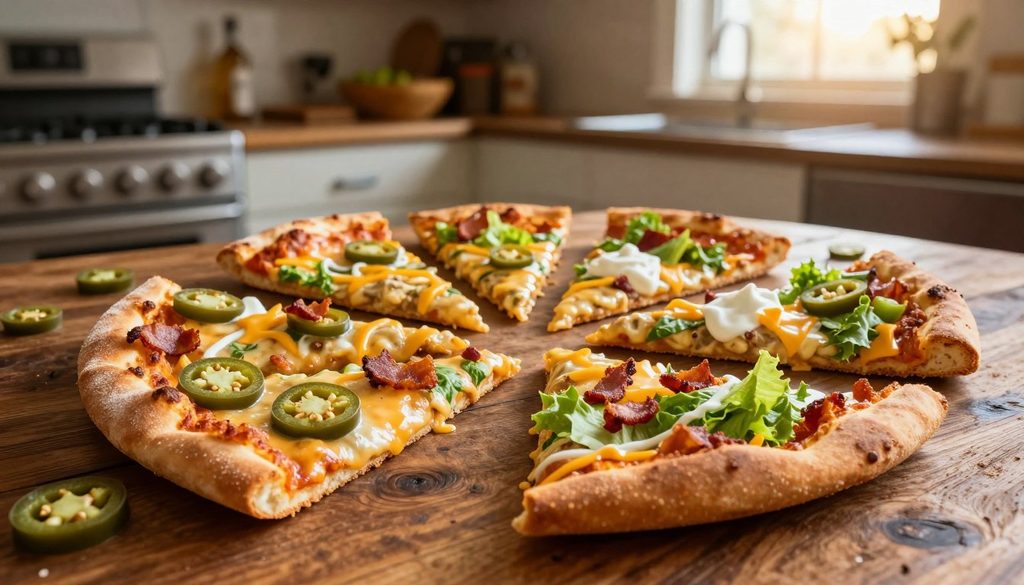
A sliceable pizza can be easier to portion for a family dinner or a small group. Frito Pie has a more casual feel, with each person choosing toppings for a bowl. Pick the format that fits the kind of gathering you have in mind.
Keep the topping bowls within reach so everyone can serve themselves. That setup gives diners a choice without asking you to customize each serving. Set out the toppings separately before the hot food arrives, especially when tastes differ.
Give yourself a little room on the table for plates and bowls. A topping bar works better when people can reach each option without juggling a hot serving. Put serving plates and topping bowls out before the hot food is ready.
Which Beef Cut Suits Each Cooking Method?
Loin cuts are the clearest choice for a quick, high-heat steak, while chuck, shank, and brisket suit slower cooking methods. The right cut depends on its natural texture and how you plan to cook it. A tender steak needs a different method from a lean or tougher cut.
Loin cuts are naturally tender and work best with quick, high heat. Chuck and shank suit slower cooking, while round is very lean and can be used in several forms. Use the cut’s traits to guide the method before you settle on a meal.
| Cut group | Character | Suitable methods | Examples |
|---|---|---|---|
| Chuck | Versatile; chuck tender is lean, blade chuck becomes moist when slow-cooked | Roasts, braising, slow cooking, ground beef | 7-bone chuck roast |
| Loin | Naturally tender | Quick, high-heat cooking | Tenderloin, New York strip, T-bone |
| Round | Very lean; from the hind leg | Roasts, stew meat, ground beef, jerky | Round cuts |
| Shank | Suited to low-and-slow cooking | Braising, soups, stews, bone broth | Shank |
| Brisket, flank, and rib | Brisket suits low-and-slow; flank suits quick marinated grilling or broiling; rib is marbled | Smoking, braising, grilling, broiling, steaks, roasts | Brisket, flank steak, rib cuts |
Chuck is versatile: its cuts suit roasts, braising, slow cooking, and ground beef. A 7-bone chuck roast works for slow cooking and braising. Chuck tender roast is lean and needs slow cooking to become tender, while blade chuck roast becomes moist and tender when slow-cooked.
Round cuts come from the hind leg and are very lean. They can become roasts, stew meat, ground beef, or jerky. Shank suits low-and-slow cooking for braising, soups, stews, and bone broth. Brisket also fits smoking, braising, and other low-and-slow methods.
Flank steak suits marinating, grilling, and broiling for quick meals. Rib cuts are significantly marbled and suit steaks, roasts, grilling, and smoking. A naturally tender loin cut is a better fit for fast, high heat than a lean or tough cut that needs more time to soften.
Match the cut to its cooking method before choosing a recipe. That decision can keep a lean cut from being treated like a tender steak and a suitable slow-cooking cut from being rushed. Choose the cooking method from the cut’s characteristics before deciding which recipe to make.
How Do You Cook and Store Ground Beef Safely?
Ground beef is ready to serve when it reaches 160°F internally, and cooked leftovers need to reach 165°F when reheated. Those two temperatures have different jobs: one checks freshly cooked ground beef, while the other applies when you warm cooked beef again. Use a food thermometer for the check.
Cook ground beef to an internal temperature of 160°F. Reheating cooked ground beef requires 165°F before serving. Keeping those targets distinct helps you handle both dinner and leftovers with care.
Cook ground beef to a safe temperature
Check the temperature with a food thermometer rather than judging by color alone. The 160°F target applies to ground beef being cooked for dinner. When the cooked beef is later reheated, bring it to 165°F before serving it again.
After the meal, place cooked ground beef in shallow containers to help it cool faster and more safely. Do not leave ground beef at room temperature for more than two hours. Above 90°F, the limit is one hour.
Chill and store leftovers
| Food | Condition | Maximum time | Action |
|---|---|---|---|
| Raw ground beef | Refrigerator at 40°F or below | 1 to 2 days | Use or freeze |
| Cooked ground beef | Refrigerator at 40°F or below | 3 to 4 days | Use within the window |
| Ground beef at room temperature | Ordinary room temperature, or above 90°F | No more than 2 hours, or 1 hour above 90°F | Refrigerate promptly |
Keep the refrigerator at 40°F or below for these storage windows. Raw ground beef keeps for 1 to 2 days, while cooked ground beef keeps for 3 to 4 days. If you will not use raw beef in time, freeze it rather than letting it remain in the refrigerator beyond its limit.
- Check ground beef with a food thermometer.
- Cool cooked beef in shallow containers.
- Reheat cooked ground beef to 165°F before serving.
Put leftovers away promptly, even when you are still clearing the table. Refrigerate ground beef promptly rather than leaving it on the counter while the rest of dinner is served.
How Can You Freeze and Thaw Ground Beef for Meal Prep?
Freeze raw ground beef for best quality within 3 to 4 months, or cooked beef within 2 to 3 months, at 0°F. Those freezer windows are for quality, not a safety cutoff: beef kept continuously frozen at 0°F remains safe indefinitely. Portioning before freezing makes later meal prep easier.
Thaw beef in the refrigerator, cold water, or a microwave. Cold-water and microwave thawing require immediate cooking. Beef thawed in the refrigerator can wait longer and may be refrozen without cooking, though quality may decline.
Thaw beef safely by method
| Method | How to do it | Cooking deadline | Refreezing rule |
|---|---|---|---|
| Refrigerator | Thaw in refrigerator; allow at least 24 hours per 5 pounds | Ground beef and stew meat: 1 to 2 days; steaks and roasts: 3 to 5 days | May refreeze without cooking, though quality may decline |
| Cold water | Use a leak-proof package; change water every 30 minutes | Cook immediately | Cook before refreezing |
| Microwave | Thaw in the microwave | Cook immediately | Cook before refreezing |
| Cook from frozen | Allow about 50% more cooking time; check doneness with a food thermometer | Cook until safely done | Not a thawing or refreezing method |
Refrigerator thawing takes at least 24 hours per 5 pounds. After thawing in the refrigerator, ground beef and stew meat can stay refrigerated for 1 to 2 days before cooking. Steaks and roasts can stay for 3 to 5 days.
Cold-water thawing needs a leak-proof package and fresh water every 30 minutes. Cook the beef immediately after cold-water or microwave thawing. Beef can also be cooked from frozen with about 50% more cooking time, but use a food thermometer to check doneness.
Freeze portions and decide whether to refreeze
Freeze raw ground beef in meal-sized portions so you can thaw only what dinner needs. Flatten freezer bags to about 1 inch thick for quicker, more even thawing. At 0°F, the best-quality window is 3 to 4 months for raw beef and 2 to 3 months for cooked beef.
Those time ranges describe best quality, not safety. Beef kept continuously frozen at 0°F remains safe indefinitely, though its quality may decline over time. Beef thawed in the refrigerator can be refrozen without cooking, but cold-water- or microwave-thawed beef must be cooked before it is refrozen.
Use the thawing method to set your cooking deadline. Cold-water- and microwave-thawed beef should be cooked immediately, while refrigerator-thawed beef has a longer window.
Flattening portions also helps you fit them neatly into the freezer and thaw them more evenly. Mark the package before putting it away, so its contents and age are easy to identify. Label each package with its contents and freezing date so you can use the oldest portions first.
Conclusion
A satisfying weeknight dinner can be as simple as choosing one format that fits the time and ingredients you have. The best pick is the meal that suits tonight’s schedule and the cut or ground beef already in your kitchen.
You do not need to plan an elaborate dinner to make a meal your family enjoys. Start with one idea that sounds manageable, then check what you need before the next grocery run. Pick one dinner idea and add the ingredients you need to your next grocery list.
FAQ
What can I use instead of ground beef in a recipe?
Finely chopped mushrooms or eggplant can replace ground beef in some recipes. Pulse the vegetables in a food processor to create small, even pieces that can blend into the dish. This works best when the recipe can accommodate a meatless filling, such as a sauce or stuffed vegetable. The texture and flavor will differ from beef, so season the mixture to suit the recipe.
Can I substitute ground turkey or chicken for ground beef?
Yes, many recipes can use ground turkey or chicken instead of ground beef. Ground pork can also work in some recipes. The swap may change the flavor and texture, so consider whether the dish depends on beef’s taste. A strongly seasoned sauce or filling can make the change easier to fit, while a recipe centered on beef may taste noticeably different.
What fat ratio should I choose for burgers?
About 80/20 ground beef is a common choice for juicy burgers. The ratio means the beef has about 80 percent lean meat and 20 percent fat. Leaner beef can produce a less juicy patty, so it may not give you the same result. Choose based on the texture you prefer and the kind of burger you plan to serve.
How much ground beef should I buy per person?
About 1/4 pound of raw ground beef per person is a useful rule of thumb for a meal served with sides. Adjust the amount for your guests’ appetites and the recipe. A filling with rice, pasta, or vegetables may need a different quantity than a meal where beef is the main feature. Check the recipe’s yield when planning portions.
Can I put frozen beef straight into a slow cooker?
No, thaw beef before putting it in a slow cooker. Cooking beef from frozen can take about 50 percent more time, and you still need to check doneness with a food thermometer. That general timing guidance does not make a slow cooker the right method for cooking frozen beef. Thaw the meat safely first, then follow the slow-cooker recipe.
How can I make ground beef dinners less repetitive?
Rotate the dinner format and flavor direction to make ground beef feel less repetitive. Switch from tacos to pasta, a skillet, a stuffed vegetable, or soup. You can also change the toppings or serving style while keeping a familiar main ingredient. A small shift from a wrapped dinner to a bowl or baked dish can make the meal feel fresh.